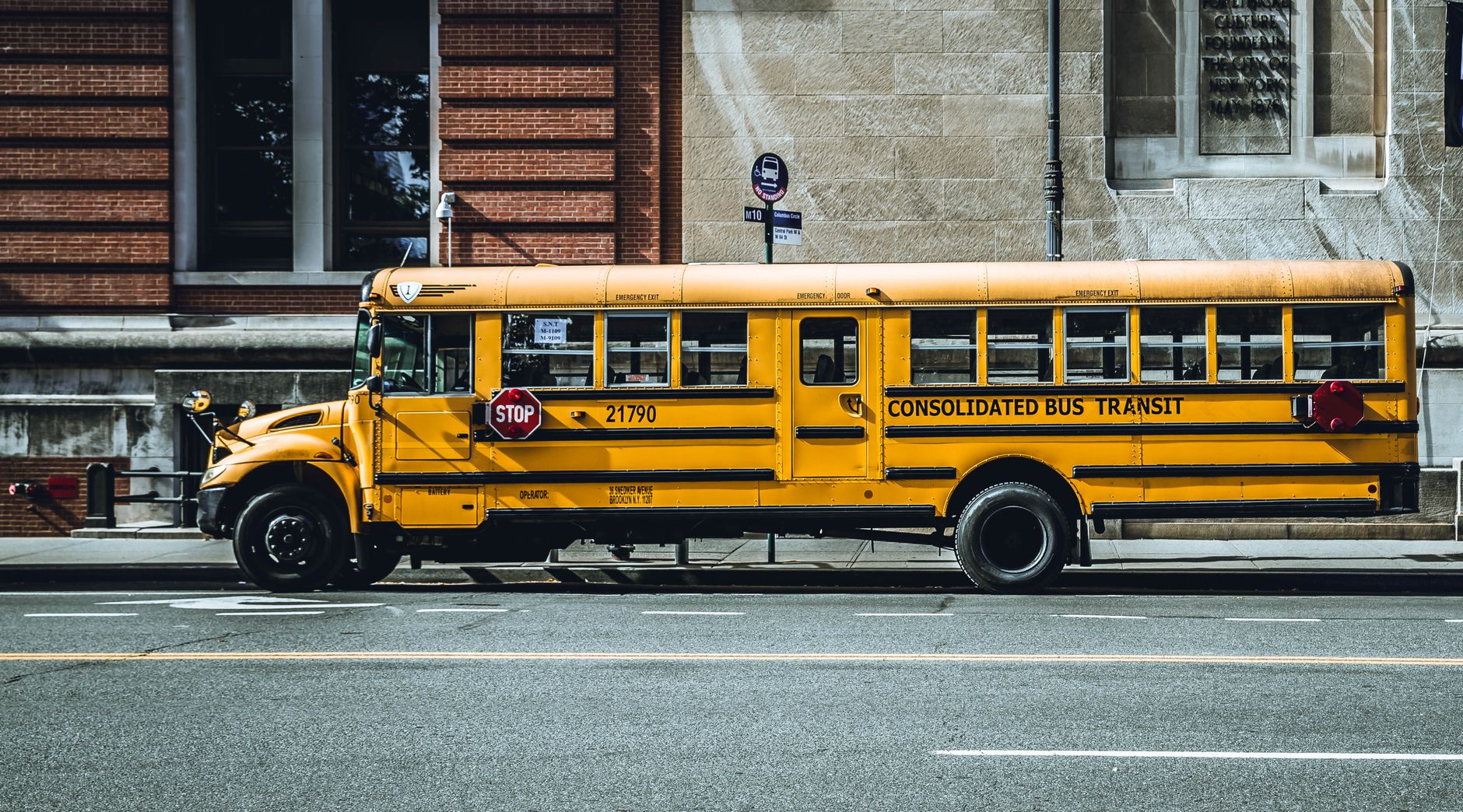
NYC schools ban AI under a new policy, affecting students through eighth grade. This decision has sparked debate among educators and parents alike.
Overview of the NYC Schools AI Ban
The recent decision by NYC schools to ban AI for students through eighth grade has sparked significant debate among educators, parents, and technology advocates. This policy, introduced under the Mamdani administration, aims to address concerns about the potential impact of artificial intelligence on young learners.
Proponents of the ban argue that:
- AI tools may hinder critical thinking and creativity.
- Young students might rely too heavily on technology for their education.
- There are risks related to data privacy and security.
However, critics contend that this outright ban on AI is a short-sighted approach. They emphasize the importance of integrating technology into education, particularly as AI becomes increasingly prevalent in society. Some key points raised by opponents include:
- Exposure to AI can enhance students’ learning experiences.
- Students should learn to navigate and utilize AI responsibly.
- The ban may limit students’ preparedness for future careers in a technology-driven world.
As NYC schools implement this policy, the discussion surrounding the implications of banning AI continues, raising questions about the future of education in an increasingly digital age.
Implications of the NYC Schools Ban AI Policy
The recent decision by NYC schools to ban AI usage for students through eighth grade raises significant concerns regarding the implications for education and future learning. This policy, under the new Mamdani initiative, may hinder students’ ability to adapt to a rapidly changing technological landscape.
One major implication of the NYC schools ban AI policy is the potential stifling of creativity and innovation among young learners. Students today must develop skills that include critical thinking and problem-solving, which can be enhanced through the use of AI tools. By limiting access to these resources, schools may inadvertently restrict students’ opportunities to explore and engage with cutting-edge technology.
Moreover, this ban could widen the digital divide, leaving some students ill-prepared for future challenges. Educational equity is crucial, and denying access to AI tools may disproportionately affect those from underprivileged backgrounds who would benefit the most from technological assistance.
In summary, the implications of NYC schools banning AI extend beyond the classroom, potentially impacting students’ readiness for a future where technological literacy will be vital for success.
Reactions to the NYC Schools Ban on AI
The recent decision to ban AI in NYC schools has sparked a variety of reactions from educators, parents, and students alike. Many believe that this policy is a step backward, as it limits students’ exposure to technology that is increasingly becoming integral to modern education and the workforce.
Supporters of the ban argue that it is necessary to protect students from potential misuse and dependency on artificial intelligence tools. They express concerns over academic integrity and the ability of students to develop critical thinking skills without the assistance of AI.
On the other hand, critics assert that the NYC schools ban AI is misguided. They emphasize the importance of teaching students how to effectively utilize AI technologies, rather than shielding them from it. This perspective highlights the need for a balanced approach that incorporates AI education into the curriculum, preparing students for a future where such tools will be commonplace.
As discussions continue, many are calling for a reevaluation of the policy, urging stakeholders to consider the long-term impacts on students’ readiness for the challenges of tomorrow’s job market.
The Future of Technology in Education
As technology continues to evolve, the role of artificial intelligence in education is becoming increasingly significant. The recent decision by NYC schools to ban AI for students through eighth grade under the new Mamdani policy raises questions about the future of learning in an increasingly digital world.
Incorporating AI into the educational framework can enhance student engagement and personalize learning experiences. By leveraging tools that utilize artificial intelligence, educators can tailor lessons to meet individual needs, fostering a more inclusive environment. The ban on AI may hinder the development of essential skills required for the future job market, where proficiency in technology is paramount.
Moreover, understanding and navigating AI can empower students to critically assess information and develop problem-solving skills. Instead of restricting access, schools should focus on educating students about AI’s potential benefits and ethical considerations. This approach can promote responsible use while preparing students for a future where technology will play a central role in their lives.
As we consider the implications of the NYC schools ban on AI, it is crucial to reflect on how education can adapt to technological advancements rather than resist them.
The decision to implement a policy where NYC schools ban AI could hinder students’ ability to adapt to an increasingly digital world. By choosing to restrict these technologies, NYC schools ban AI and limit opportunities for innovation and learning.
Photo by Louis on Pexels
Where this came from
Smriti Mandhana Record Hundred: Proven Quick Win for India · What Should Patients Know Before Starting Online Testosterone Replacement Care? · Instrumental Music: A Professional Guide to Focus, Creativity, and Everyday Listening