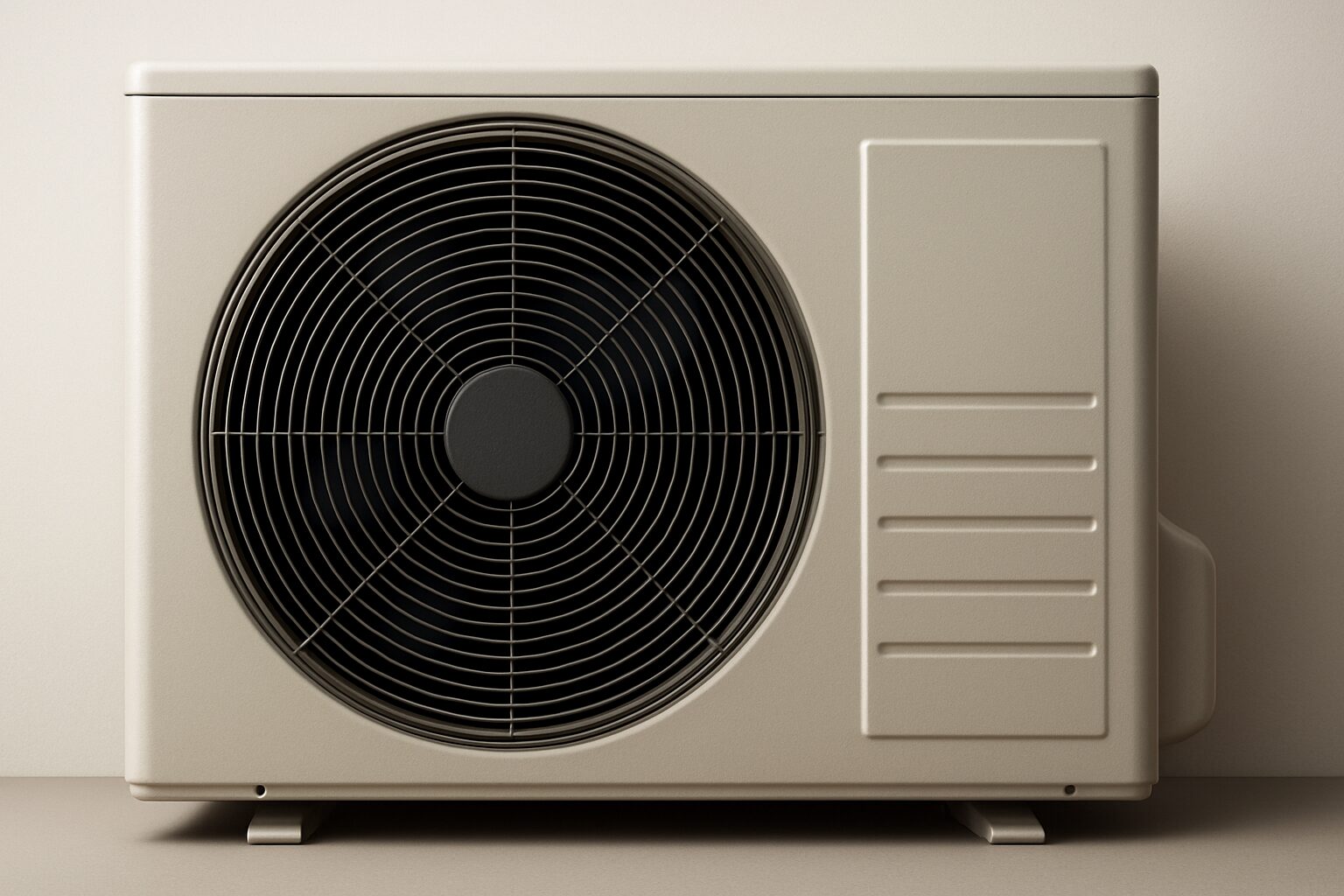
Heat pumps in Los Angeles County and Ventura County work year-round, cooling homes through long summer afternoons and keeping rooms warm during cold winter mornings. That constant use means more wear than a typical furnace or air conditioner faces separately, which raises an important question for many homeowners: when does a system need a quick fix, and when does it need to be replaced altogether? A reliable heat pump repair service can answer that question accurately, but understanding the basics beforehand helps you make a confident decision.
This article walks through how to evaluate repair versus replacement, the different heat pump system types common in Southern California homes, how to prepare your system for seasonal shifts, and what maintenance habits help prevent breakdowns in the first place. It also covers how to choose a technician who is qualified to work on your specific equipment.
How Do I Know If My Heat Pump Needs Repair or Replacement?
The decision often comes down to age, repair history, and performance. If your system is less than ten years old and hasn’t needed frequent service calls, a single repair is typically the better choice. Replacing a unit that’s otherwise sound rarely makes financial sense.
On the other hand, systems with a pattern of repeated breakdowns, a failing compressor or coil, or equipment that was never properly sized for the home are better candidates for replacement. An undersized or oversized heat pump struggles constantly, regardless of how many repairs it receives, because the root issue is the equipment itself rather than a single failed part.
Homeowners should also weigh how the system handles daily demands. A unit that cycles on and off excessively, runs longer than it should to reach set temperatures, or produces uneven airflow throughout the home may be nearing the end of its useful life even if no single component has failed outright.
What Are the Common Signs a Heat Pump Needs Repair?
Several symptoms point to a repair need rather than a full replacement. These include a system that won’t turn on, ice buildup that won’t clear during the defrost cycle, or weak and inconsistent airflow from the vents.
Other common issues include a reversing valve stuck in one position, which can leave a home stuck in heating or cooling mode when the opposite is needed. Defrost board or sensor faults, failed capacitors or contactors, blower motor problems, refrigerant leaks, and condensate drainage issues are also frequent culprits.
A qualified technician diagnoses the actual cause before replacing parts. This matters because guessing at a diagnosis can lead to unnecessary expense without solving the underlying problem.
What Types of Heat Pump Systems Are Used in Southern California Homes?
Homes throughout Los Angeles and Ventura Counties use a mix of system types, largely depending on when the home was built and whether it already has ductwork.
Ducted air-source heat pumps connect to existing ductwork and are common in San Fernando Valley tract homes. These systems distribute conditioned air through the home’s existing duct network, making them a natural fit for houses that already have ducts in place.
Ductless mini-split and multi-split systems require no ductwork at all, which makes them well suited to older Craftsman-style homes and coastal properties that were never built with ducts. Each zone can be controlled independently, offering flexibility that ducted systems don’t provide.
Dual-fuel, or hybrid, systems pair a heat pump with a gas furnace as backup. This setup allows homeowners to keep gas heat available for the coldest nights while relying on the heat pump for most heating and all cooling needs. Setting the changeover point correctly between the two systems is critical to getting the most benefit from a dual-fuel configuration.
Packaged units combine all components into a single outdoor cabinet, which can be useful where indoor equipment space is limited.
How Should I Prepare My Heat Pump for Seasonal Changes?
Because heat pumps operate in both heating and cooling modes, seasonal readiness looks different than it does for a furnace or standalone air conditioner. Twice-yearly servicing is generally recommended, once before the cooling season and once before the heating season begins.
Before summer, technicians check refrigerant charge, clean the outdoor coils, and verify that the system can handle extended periods of high demand during hot Valley afternoons. Before winter, the focus shifts to confirming the defrost cycle works properly and that auxiliary heat lockout settings are configured correctly, both of which matter when temperatures drop into the 40s on inland mornings.
In the fall, filters should also be checked for any buildup related to wildfire smoke, which is a regional consideration not every homeowner thinks about until it becomes a problem.
What Maintenance Helps Prevent Heat Pump Breakdowns?
Routine maintenance plays a direct role in avoiding costly repairs. A thorough service visit typically includes cleaning the coils, checking refrigerant charge, testing the reversing valve, verifying the defrost cycle, inspecting electrical connections, clearing the condensate line, and servicing the filter.
Thermostat settings are worth reviewing as well, particularly for homeowners on time-of-use rate plans through Southern California Edison or the Los Angeles Department of Water and Power. Scheduling habits that align with these rate structures can reduce operating costs without any change to the equipment itself.
Coastal homeowners in cities like Oxnard, Ventura, Port Hueneme, and Camarillo face an additional consideration: salt-air corrosion on outdoor coils and electrical components. This isn’t a concern for inland homes, so coastal systems may benefit from more frequent inspection of these parts.
How Do I Choose a Qualified Heat Pump Technician?
Not every HVAC technician has equal experience with heat pumps, particularly as refrigerant types continue to shift. Many current systems use R-454B or R-32 refrigerant instead of the older R-410A, and charge verification procedures differ between these refrigerant types. A technician trained on both older and newer systems is better equipped to diagnose problems accurately, regardless of which refrigerant your system uses.
It’s worth noting that an R-410A system does not need to be replaced simply because newer refrigerants exist. These systems remain legal to service, and a qualified technician can continue maintaining them for years to come.
Licensing matters too. In California, contractors should carry a valid license through the Contractors State License Board, which can be verified directly through the CSLB website. Homeowners should also look for a written estimate before any installation work begins and a written summary after every service visit, since this documentation provides a clear record of what was diagnosed and what was done.
Making the Right Call for Your Home
Heat pump decisions rarely come down to a single factor. Age, repair history, system sizing, and regional conditions, whether inland heat, coastal salt air, or cold winter mornings, all play a role in determining whether repair or replacement makes more sense for your specific situation.
Homeowners throughout Los Angeles County and Ventura County benefit most from working with a technician who takes time to diagnose the actual issue, explains the reasoning behind a repair or replacement recommendation, and understands how local climate conditions affect long-term system performance. That combination of technical knowledge and regional familiarity makes the difference between a quick fix that holds and one that leads to another service call a few months later.
Frequently Asked Questions
How long do heat pumps typically last before replacement becomes necessary?
Most heat pumps last ten to fifteen years with regular maintenance, though coastal corrosion or chronic undersizing can shorten that lifespan. A technician can evaluate your specific system’s condition rather than relying on age alone.
Are repairs on older heat pump systems still available if they use older refrigerant?
Yes. Systems using older refrigerant remain serviceable, and parts are still available for routine repairs. The refrigerant transition primarily affects new equipment purchases, not existing systems.
What’s the risk of delaying a heat pump repair?
Delaying repair often allows a small issue, such as a failing capacitor, to stress other components and potentially lead to a larger, more expensive failure later.
Do dual-fuel systems need different maintenance than standard heat pumps?
Dual-fuel systems require attention to both the heat pump and the backup furnace, along with correct changeover point settings, to ensure the two components work together efficiently.
Who should homeowners contact when unsure whether repair or replacement is the right choice?
A licensed technician with experience across ducted, ductless, and dual-fuel systems can inspect the equipment, explain the findings clearly, and recommend the option that fits the home’s specific needs and budget.


