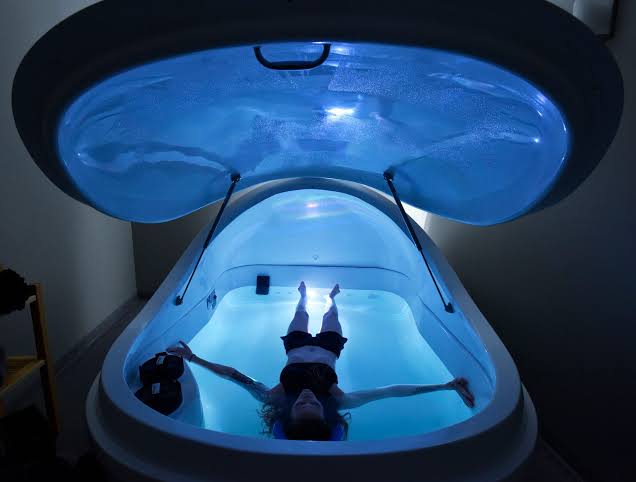
A first float does not need to prove that you can relax perfectly, stop every thought or emerge more productive. You can approach it as a personal leisure experience and decide afterward whether you liked the format. Learn the venue’s setup, discuss any suitability concerns with the appropriate professional and keep permission to ask for help. Curiosity is a sufficient starting point; a performance target adds a demand the appointment does not need.
This distinction is easy to miss when quiet experiences are presented as another form of self-improvement. Someone accustomed to tracking exercise, work and screen time may feel compelled to track stillness too. Yet deciding whether an unfamiliar room and routine suit you is already useful information. You do not need to turn the visit into evidence that you have mastered an ideal state of mind.
Leave the scorecard outside the booking
Notice what you are expecting before selecting an appointment. Are you interested in the setting itself, or hoping it will guarantee a change in sleep, mood or concentration? Those are different questions. This article does not claim that flotation treats a health condition or improves performance. If a medical or mental-health concern is driving the decision, discuss it with an appropriate healthcare professional.
For a leisure visit, choose a modest question the experience can actually answer. You might want to know whether you enjoy a quieter environment or whether the available setup feels comfortable. That does not require a numerical rating. It simply gives your curiosity a direction without demanding a particular result.
Be cautious about copying somebody else’s account as an instruction. A friend may describe a vivid or unusually restful experience, but their description does not establish what should happen for you. You can listen without making their outcome the pass mark for your own appointment. An ordinary visit is not a failed version of an extraordinary story.
Avoid adding a series of personal rules that the venue has never required. You may have imagined that you must remain completely still, choose maximum darkness or avoid requesting an adjustment. Ask what the actual arrangement allows before treating those assumptions as part of the activity.
Distinguish available choices from imagined rules
Find out how the provider introduces first-time guests to the room and equipment. Ask about the settings, how assistance is requested and what happens if you want to pause or leave. These details vary by venue. Knowing the actual options makes it easier to approach the appointment without inventing obligations from an image or a video filmed elsewhere.
Explain any preference that matters to your decision before booking. If the layout, communication arrangements or other practical details are important, ask for a description rather than accepting a broad reassurance that the experience is relaxing. You are not trying to become comfortable with every possible setup; you are deciding whether this one sounds workable.
Take relevant health questions to the appropriate professional, and provide the venue with information it needs within its role. A practical explanation of guest controls is not a personalized suitability assessment. If that question remains unresolved, postponing the booking is a legitimate option rather than evidence that you have overthought a leisure activity.
At the appointment, listen to the actual instructions and ask about anything unclear. A pre-visit conversation can reduce uncertainty, but it does not make an on-site explanation unnecessary. Familiarity with the procedure is more useful than trying to appear like an experienced guest who never needs a question answered.
Plan for the phone without declaring a detox
If putting the phone aside is part of the appeal, handle the logistics before arrival. Arrange how to be reached for something genuinely urgent and avoid scheduling a call that you will spend the appointment anticipating. This is ordinary planning, not a promise that a short period away from a device will reverse the effects of a busy routine.
When looking at Santé Healing Spa’s flotation service, confirm the current Thornhill appointment arrangements and ask what guests should bring or leave outside the treatment area. Follow the venue’s instructions for belongings and devices rather than assuming a storage policy. The service description helps identify the experience; the provider can explain the practical details.
Do not make the phone plan so elaborate that it becomes the centre of the visit. You may only need to tell one person you will be unavailable and check the next commitment before entering. The aim is to reduce avoidable interruption, not to stage a dramatic break from technology.
Leave room afterward to return to ordinary responsibilities without requiring yourself to preserve a particular feeling. Messages will still exist. Responding to them later does not invalidate the appointment. A bounded leisure experience can have a clear beginning and end without needing to change the entire day around it.
Keep an ordinary account of the experience
After the session, ask yourself a few concrete questions. Did the setup match the explanation? Were the instructions understandable? Could you request help or an adjustment? Did you enjoy the format enough to consider it again? Those observations can guide a future choice without becoming claims about health benefits.
You may find that some parts appealed and others did not. That mixed answer is useful. If you consider another visit, discuss the relevant preferences with the venue rather than assuming that repeating the booking will automatically produce a different result. You can also decide that another kind of personal-care or leisure activity suits you better.
A float session does not need to become an achievement story. It can simply answer a question you had about an unfamiliar experience. Let that answer be ordinary, specific and your own.


